UFO Investigator Tim Doyle

When people see something in the sky they just can't explain, he gets a call. UFO Investigator Tim Doyle joins us. We talk UFO sightings, aliens and Area 51. Then, we countdown the Top 5 Fictional Aliens.

UFO Smaller.png

Interview with UFO Investigator Tim Doyle of UFO Seekers

SUMMARY KEYWORDS

people, alien, ufo, dinosaurs, military, roswell, feel, ufo community, ate, happening, watching, sky, evidence, fly, ufos, talking, real, government, life

SPEAKERS

Nick VinZant - Profoundly Pointless Host

Tim Doyle (UFO Seekers)

Note: This transcription is not 100% accurate. Please consult the episode if quoting

Nick VinZant  00:13

Hey everybody welcome to profoundly pointless My name is Nick coming up in this episode, we're going to go on a search for UFOs and then count down the top five fictional aliens.

Tim Doyle (UFO Seekers)  00:25

We've been to area 51 we've been to Roswell and we pretty much spend our time now on a daily basis sky watching for UFO activity. She was driving in this year in the mountains at night and saw to basketball sighs dim dim lights. And right before it hits the windshield he like leans over swerves, it goes around the side of his car, like looking in the driver window and then just stays in the road and watches the car go by. And that's all he saw.

Nick VinZant  00:58

I want to thank You guys so much for joining us. If you get a chance, like, download, subscribe, share, we really appreciate it. It really helps us out. I think like a lot of people I have always struggled with two big questions. Are we the only intelligent life that's out there? And how do you explain these things? That seemed like they just can't be explained like what's, what's really happening there. Our first guest is trying to answer those questions. This is Tim Doyle. He's a UFO investigator with the group UFO seekers. So when did you start looking for evidence of UFOs?

Tim Doyle (UFO Seekers)  01:41

Well, I guess in my personal life, probably would have been decades ago, when I was like a late teenager started diving into probably a lot of people's most famous first conspiracy book which was behind the pale horse and more recently, What people see publicly with UFO speakers that all started in 2016. And what had happened is just had some changes in my personal life and ended up moving to a different location in California, I moved to Bakersfield. And that's where I met my current partner in life. Tracy, and when we first started dating and hanging out, I guess you could say, about 45 minutes from our houses the Mojave Desert, Edwards Air Force Base, plant 42, the Air Force production plant. Vandenberg Air Force Base is like the other direction where they're doing rocket launches and missile tests and stuff like that. And the mountains here right next to our home like 15 minutes away, is also where they're doing military experiments. So like in 1986, an F 117. The stealth fighter before it was public actually crashed about 15 minutes from my house. Here. And so with all of that kind of military activity and strange stuff happening, then we just ended up started seeing things and I've simultaneously I developed a passion for finding the truth behind UFOs going out sky watching looking at the sky, and our content on YouTube kind of started to take off and people started watching and we started gaining subscribers. And that's kind of where we are now it's about three years later, and I've been to places like area 51 and Roswell Of course it's me and my partner Tracy so it's a we we've been Terry 51 we've been to Roswell and but we pretty much spend our time now on a daily basis sky watching for UFO activity, but mostly we spend our time just using camera equipment like military grade, night vision, optical cameras, full spectrum, stuff like that.

Nick VinZant  03:58

So when we're talking about it UFOs are we talking about aliens? Are we talking just about something that's in the sky that we can explain?

Tim Doyle (UFO Seekers)  04:06

You've literally just asked like the the kryptonite question. You know because if you watch you know television or you're talking to kind of a quote unquote like UFO celebrity, it's you know, very popular for people to say UFOs are real. And it's like a thing like this UFO is like a thing and it's real. Over the years, I've kind of tamed myself better and being what I would consider like a serious investigator. What I like to say is UFO sightings are real. So there are real people who see real observations in the sky. And those sightings are real things. Now, when we're talking about what those are, I tend to fall like to the military side. And if we wanted to put it like in statistics, I would go on record to say like 90 percent of things that people see are related to military, atmospheric phenomenon, private space programs, private contractor programs, but then there's still like 2% that people can't explain or maybe we don't know where they are if we wanted to go into a philosophical discussion, instead of just saying aliens, which is kind of what I consider, like a post modern view of aliens, because if we're looking back to like the early 1900s, and we're reading newspaper articles, or looking at people who would have debates or speculate on the topic of aliens, it was called Martians. And that's because like telescopes were evolving and we started getting closer and closer visually to seeing what was on Mars. People were expecting that these quote unquote aliens were Martians, and that's what everyone considered them was Martians. So if we want to get downlight into a philosophical discussion about what those unexplained things are, you know, to me, it could be a god, it could be the Creator, whoever created this, if it's a computer simulation, and they're running coding, and someone who's tasked with watching what is inside of the simulation, I mean, if they're inserting themselves into the coding, like we'd see in a movie like matrix, you know, maybe that light in the sky or a light that burns an object on the ground, maybe that's the watchers or the angels or whatever phasing in. So I really try not to get stuck to that postmodern, you know, Ancient Aliens History Channel version of what these aliens are, because I feel that's more of like I said, like a more modern Hollywood take on it. And I don't think it's that narrow. I think it's more broad. And like I said, being someone who believes in intelligent design because I don't believe that Something can come from nothing. I don't believe that order, and systematic repetitiveness comes from randomness. So I'm not a big believer in just random evolution, I believe that there's an intelligent design behind what we're looking at. And I really think that kind of gets overlooked when we're talking about these UFOs. And those things kind of parallel themselves.

Nick VinZant  07:23

So when you see something that that you feel like you can't explain, it's not the kind of traditional thought that somebody might have is like, oh, there's a little green man up there.

Tim Doyle (UFO Seekers)  07:33

Correct. And in fact, it became, it almost became it's something I couldn't see before. So before I was a UFO investigator and spend time in the field, looking at the sky, capturing photos of things I thought were a UFO and then ran home just to find out it was a Janet flightline landing at area 51. One time we were sky watching, we caught an object to re entering the atmosphere. And burning up in the atmosphere. There was no explanation for it you could call it a UFO but four days later, we confirmed it was an Iridium communications satellite that had got retired and deorbited. So there's been so many times where I've seen something and kind of been disappointed you know, once it came to review, so I don't like to point straight to one answer over the other although there are strange things happening out there. For instance, right now Tracy and I have been investigating a sighting here in this year in Nevada mountains back in February of this year. He was driving in this year and about mountains at night and saw to basketball sighs dim dim lights like flying next to his vehicle. So this guy is driving through a mountain Canyon steep canyons and up above his car, 50 feet 100 feet and next to the car. He's He's to basketball. Side lights flying next to him. One comes down into the road in front of him while he's still driving full speed and then starts coming back towards him towards the windshield. And right before it hits the windshield, he like leans over swerves, it goes around the side of his car, like looking in the driver window, and then just stays in the road and watches the car go by. And that's all he saw. And so there are weird things happening like this. And trace Ian and I, the only weird thing we've really captured in our perspective within the same general area, and it was back in 2017. We were watching low flying jets practice and this year in about a mountains. Because we spend so much time in the field we kind of know where they fly and their practice routes. So we had spent time photographing jets, military jets, and later in the afternoon after they were done. We were randomly taking pictures all over the place. And upon review, we saw this spherical, cloudy type ball, like 20 to 40 feet in diameter, in rapid shot pictures in about a second, one second to come from out of the sky. And travel probably, I want to say like a fifth of a mile in a downward direction into a canyon, where there was people like camping. So these low fly jets will fly over people. You know, it's commonplace up here if you're local, and you know, we all know about it. But this was that same type of object and then add on top of that if people have watched our YouTube videos, there was a gentleman from the 80s that we covered, who gave us witness testimony, where he was fishing near Beale Air Force Base, which is north of us still in the Sierra Nevada Mountains, and him and his cousin were fishing and a spherical ball that was transparent and barely lit, floated right above their heads like 10 feet above their heads and just floated there, and then went out over the water and then up into the air. And I have more of these ball type sightings. So you know, out I never knew before there was like this UFO community. And so I am very hard to digest for a lot of these people, because I'm not willing to just jump off the cliff into a theory or to speculate on something. And I would be way more comfortable saying that these are military, because I know definitively, a military exists and I don't have definitive scientific proof of an alien that has been presented to me scientifically. So that's why, you know, we try to kind of waver towards the military perspective. But in saying that you can see how there are strange things happening which are very hard to explain

Nick VinZant  11:59

In your opinion. And how come when there is something that is hard to explain? Why does some people seem to go that this must be, you know, aliens or UFOs or anything like that, and other people just discount that? And say, no, this thing that you can't explain must have some explanation that's simple that we just don't know about, like, Why do people seem to react in such stark differences?

Tim Doyle (UFO Seekers)  12:25

Right, I think that's more of just primal, like our, our primitive, deep down belief systems. And it's deeper than just the UFO topic. It's almost similar to what you could say about partisan politics. Or if you're looking at a judgment in a court where you present evidence you always have like a 5050 split down the middle where one you know, people see one thing and others see another and unfortunately, I think the majority of us I be One of those people before I started this journey, who only look for reinforcing evidence to reinforce what we believe ourselves, you know, we're not looking, you know, dissenting evidence. And that's kind of who I am at heart is I am, unfortunately, like the guy who searches for the dissenting evidence. And when everyone's on one side of the ship, I'm kind of on the other. So you nailed it, though. That's, I mean, that's how it is, unfortunately, there are people who kind of monetize the reaching of the conclusion. And so they need to bring people along. And for those in the UFO community who no UFO seekers, we don't participate in like UFO conferences, you know, those big like celebrity conferences where people come to kind of hear your theories or they go through workshops, stuff like that. So just know that where I'm coming from, for you and your audience. We aren't the type that participate in that. We literally 100% just spend our time in the field, looking for UFOs activity, truth, what's going on at these military bases, we try to put it into the videos, and bring people that in reality, real scientists and people who take these things serious, who are constantly looking at the sky, and they aren't seeing the things that were shown on, you know, paranormal caught on camera on the travel channel. And all these shows, which tell us that there's something happening every second around every corner. And so we really have have tried hard by spending our time at these main facilities. To show people it's not so common place for these types of things to happen to help the UFO community find the real evidence, but it's providing this evidence to people to kind of help take away the ammunition of the well paid solution. He's out there who are on TV who kind of use people's belief systems to sell tickets.

Nick VinZant  15:08

When you get reports of UFO sightings? Is there a general pattern that they seem to follow?

Tim Doyle (UFO Seekers)  15:15

No, no, I wouldn't say so. There. There's so much different. Unfortunately, I think if you're a serious investigator, if someone wants to know what it's like, they should just watch cops or live PD. And kind of that same percentage is misleading. And I really hate to like tell people this, but I do consider myself serious. There are people who will lie. that's similar to when you're watching cops and they catch someone and the guy says like they're not my pants. When there's something like in his pants that he has on you and the guy is like, these aren't my pants. Like they're you still have that kind of similar percentage. So as a serious investigator, you really need to make sure that you're smart enough to hold back and not get yourself involved in what's being reported. And then finding those real ones like the one I told you about these basketball objects appearing next to the gentleman's vehicle, this guy called me for weeks. And I do that to these people. So there's, there's there have been scientists who have studied the topic of UFOs. For a long time, people should know, like, almost 70 years now. And so they've managed to kind of pick out the commonalities that exists in the UFO community, such as investigators, or people on social media or television who just promote everything. And that's a problem. Because then there's no look at what is serious and if you just promote everything, then everything has to be taken as real. And so we really try to slow down. We don't let people just say That's a picture and then we regurgitate it, because that's kind of where you end up promoting hoaxes. So for instance, in 2017 2018, there was this Peruvian mummy that was going around online, promoted by the biggest celebrities. One of the nation's top radio paranormal shows this Peruvian mummy that had been uncovered and it was an alien, it looked like an alien and it was getting promoted, like it was an alien and come to find out that it was actually a mummy that they had taken pieces of other things and actually created little bone structure pieces and attach them to this mummy and then taking pictures and taking video of it. So just that example, people can use to see that even high level individuals will lie and use the topic to make revenue or to get something or be famous or to get on a TV show. So you really have to be careful slowed down, and really pick out, you know, who you feel is telling you the truth. But still, I mean, you don't even know. This is one of those scariest topics I've ever been involved in. And people should know that you know, me and you have been talking about this alien question. And I'm really glad that you picked me to talk to you because now I'm going to make it dead serious for for people so they understand the military value of what we're doing. And it's something I didn't understand before. And I always wondered why a UFO investigator would like get killed by the men in black or would you know, disappear. Now, the true reality is with UFO sightings. The military is interested in these things because they could be military. I want people to think about Roswell and then think about that they've never heard of a foreign craft crashing on American soil. And I want them to think hard about how the government could keep you thinking that you're in a utopia and a foreign enemy could never Reach the United States soil and start thinking to yourself, how could the government use the topic of aliens or UFOs to kind of cover up things like that that might happen. And so intrinsically, UFO sightings are extremely valuable to the government. And that's where it becomes dangerous because what we're doing is going out and following around Lockheed Martin, Northrop Grumman, Boeing, and they have all of these secret tests and operations going on. And inherently, you're capturing these operations going on Global Hawk testing, new UAS system testing. And so, so there's lots of secret military operations that are 50 years ahead that people don't know about. And so a lot of what is involved in these UFO sightings is that technology and people observing those things. Now, if you go back to 1960 s, and the SRS 71 the SRS 71 actually had an awesome autonomous drone that attached to the back of it and attached between the rear tail thin wings, the upward wings and the SRS 71, which was using self paint, right because stealth was actually invented in like 1941 by a scientist who created paint that could absorb radar frequencies or radio frequencies. And so the ASR 71, which was already stealth, and a stealth aircraft, could fly to about 70 to 90,000 feet and had an autonomous drone that looked just like a third SRS 71 engine and would detach, and using radio control in the 60s, the government would fly this thing autonomously. So now I want people to take that into perspective, and how far beyond our thinking the government in the military is, and that's a lot of what we're looking at here. So it's not just about being stuck to this alien question. It's not just being stuck to the creators of whatever we're looking at and until And design. It's also being extremely wary of the government in the military and what they're doing out there, because that's what we're seeing.

Nick VinZant  21:08

Are you ready for the harder slash listeners submitted questions?

Tim Doyle (UFO Seekers)  21:14

I am ready. Totally ready.

Nick VinZant  21:16

What did you think of the storming of area 51 that was going on that whole topic that kind of rose to prominence last year, or was it? Is it last year's this year? Last year, right.

Tim Doyle (UFO Seekers)  21:27

I think was last year. Time is moving so fast. Now.

Nick VinZant  21:31

What did you see? What did you think as you kind of saw that built up or build up rather?

Tim Doyle (UFO Seekers)  21:36

Yeah. See, and that's, we weren't fans of that happening at all, like zero percent. I mean, I don't mean to get harsh about it, but I'm going to get harsh about it. You know, to me, I viewed it as a terrorist attack, like a domestic terrorist attack on an Air Force specific facility and I view it as extremely dangerous. You Promoting such activity to the public. But that's what happens. When celebrities are telling people things exist. They're definitively. I mean, the whole reason people were there was because there's a Las Vegas journalist who calls himself a journalist who was telling people, zeta particular aliens have been in area 51 for decades and had been here on earth for 10,000 years. So it's not hard to think that the public or people who take them serious because they said they're serious, to want to go find out these things. I mean, especially the impact on society. If you unveiled into Alien Evidence, it would change religion, our perspective on the university would change science, it would help the poor with the alien technology. So it makes sense that people would want to go retrieve that. So that's why we're very cautious. In fact, people would probably Look at the content I have online and frown upon it because there's lots of video pictures, the military facilities. But it never comes with negativity towards the military as if those people are hiding something from me. Obviously, I think the leadership in the military makes bad decisions are the ones who have secrets. I really think the military just burns our money and has tons of technology that would change our economy in a good way. I think the military has trillions upon trillions of dollars is spent on underground facilities. I have family members who've been in them. They have railroads, they have freeways. They have cities underground that no one knows about. And that's where all the budgets went. And so it's those things that I feel are very concerning. And I wish that the passion that people had towards picking out that Alien Evidence from area 51 would be point Towards the government and the policies of the military and what they're doing with this money.

Nick VinZant  24:05

Do you think when you look at some of the kind of well known kind of alien sighting, UFO sighting, things that have happened throughout history, you know that people know about the Phoenix lights, Roswell? Do any of those kind of stand out as you as being real

Tim Doyle (UFO Seekers)  24:21

Oh, I don't actually think that one was real, or haven't has an easy explanation and people No, I think both aren't real. I will tell you right now they both aren't real. People can go look at the Roswell testimony. Okay, first off, they need to stop listening to people who weren't there. And if they want to listen to someone who was at Roswell, they should read Mack Basil's testimony that exists in the newspaper. And now what most people won't tell you was Brazell had already found two weather balloons on his property. So if we're going to go to Roswell, Mack Brazell was out There he was around and just like where I live in Bakersfield, no different. Okay, it's an agriculture a ranch cattle place. Same thing here in Bakersfield. And so this really nice guy. Mack Brazell is just a ranch hand and he's out moving cattle. And he finds this is written in the newspapers, brass balls testimony. So don't believe anybody else go pull the newspapers or you can go on my website and read the newspapers. Brazell himself says that he came across sticks and a foil foil looking material. Nothing more than like three feet in size. No burning, no fire. No. No depression from a heart impact crash. He literally just found materials, these little twigs sticks and an aluminum foil type material spread out throughout shrubbery and brushes. So Brazell collects them. puts them like in a ball and stuffs them under a bush. And so Brazell brother in law tells him about this reward of $5,000 for pieces of a Martian UFO. Martian spaceship, because that's what everyone thinks it is. And that's when Brazell takes his family back with his kids and they go and collect this, the sticks in this brush some of them and then they call the Roswell Sheriff who comes out. They go they pick up some more of it, then they call the Roswell military guy. They come out they take it to the Roswell military guy, and it's an Army Intelligence Officer. Okay. Brazell in the newspaper articles. tells the military guy this is not a UFO. I don't say nothing. I don't want to say it's anything. I found these pieces. I'm an American and I want to help my government. Here are the pieces of this thing and I found on a ranch. Plus there's a reward. If it's something the Army Intelligence Officer destroy Brazil's life Brazzaville, his family and the ranch owners who own the ranch and kills the entire world, they found a flying disc, and just leaves it at that. So the government completely threw him under the bus. Because White Sands Missile Range is right there. And they didn't want anybody looking. And they didn't want anybody looking at the sky anymore. To see the supersonic jet technology they were creating. I mean, it was 62. They were already flying the X 52 space. And that's what they're trying to stop people from from looking. They want you to believe the guy on TV, who tells you the gray aliens are everywhere, because they don't want you to go to Edwards Air Force Base, and look at their airplanes and kind of help this disinformation. I mean, if we're looking at the Phoenix lights, it's a flare. It's literally like eight flares, right? You're looking at a video of the mountain and you're watching eight flares or however many it is. I don't know the number offhand. I'm just guessing. Falling down behind the mountain. I mean, am I crazy? I feel like I move got to and Zoo lander, and I'm going all the looks look the same. I mean Blue Steel Magnum, it's the same look. And I'm looking at the Phoenix lights going, Hey, these are just flares falling behind a hillside. But you do have like this hysteria that gets built up. And so there's an investment in the marketing behind these sightings. If there ever is kind of a little green man, so to speak, that just appears on a press conference one day that like everything is confirmed. What do you think happens to society? Well, honestly, I don't think anything changes. I mean, Star Trek has already been running for. Since what the late 60s. I honestly I don't think anything changes at all. The only thing that's going to change is technology. And that's the good part about it. So I don't I don't view aliens. extraterrestrials as a negative thing are a threat. Sometimes I even wonder if they just look like you and me, Nick. Like, who's not to say that we fly out into the universe and land on a planet, and they just look like us? I mean, who's to say it's not just farther back and there's dinosaurs there? Why does it have to be always this gross, distorted looking scary. communists never wears any clothing so they all look the same and are branded the same type of alien races. And that's what really doesn't make sense to me. And anyone who's watched Star Trek First Contact there,it's so funny because they they put two different versions of when the Vulcans first came down because the humans made warp drive, and the Vulcans were flying by and detected the warp signature. And so the Vulcans flew down to earth and came to see who made the warp engine and talk to them, because that was unlocking of the next step to traversing the universe. And there was Two different versions when the Vulcans landed. And one was when the Vulcan came out of the spaceship, the people attacked him. And then there was another version, where everyone was excited to see them and the warp drive inventor went up and shook their hand and initiated first contact. And so I really see, you know, those two separate sides, we have people who consider this a threat and want you to attack the Vulcans. And then we have other people who want to embrace the diversity of the universe. And and let's see what's out there.

Nick VinZant  30:31

Anything else you think that we've missed, or anything else that you'd like to add or anything like that?

Tim Doyle (UFO Seekers)  30:36

You know, a lot of the times I feel like the Grim Reaper. It's like, you know, 99.9% of the people I meet, think I'm a full believer because this is what we do. Investigating UFO sightings. I'm a full believer in the alien that exists now. And I just, I don't want people to view me as the Grim Reaper where I'm Destroying series, their beliefs, or other speculative beliefs. There are strange things happening. No one has an answer. I just really want people to know to look for evidence. So when someone tells you that in Egyptian pyramid was made by an alien race, all I ask is that you look for the proof of the aliens doing it. You know, the UFO community is a joke. And it's a joke to society. I know because I drive around a car with UFO seekers on it. And I get left constantly. And I work every day to try to change that perspective and that point of view by teaching people and educating people, such as in this discussion we're having right now, and that is going to lead us to the real truth.

Nick VinZant  31:51

Do you think that more people believe I'll use this very broad springing but do you think that more people kind of believe that there is something else Whatever that's something else could possibly be out there then would let on say make fun of the UFO secret car but secretly also believe that something could exist.

Tim Doyle (UFO Seekers)  32:11

Oh, yeah.Oh yeah hundred percent and being philosophical type person like I am. You know, I'm looking at why they're laughing. They're laughing because what I'm searching for is a threat to their belief system.

Nick VinZant  32:24

I want to thank Tim so much for joining us if you want to connect with him, we have linked to him on our social media accounts were profoundly pointless on Facebook, Twitter and Instagram. And we have also included his information on the RSS feed that's in this podcast. You can also check out his YouTube channel. And there you'll see some of the videos that he's talking about. I think just going back and forth in that conversation. It's I think it's such a fine line. Because there was definitely times where I felt like oh, I don't know about that man. But there was also times where I thought you might be right. And that's such a fine line. And that's why I think that ultimately when we're talking about a subject like this, something where you really can't maybe fully explain it, and it just comes down to what somebody believes. It does ultimately tell you so much about that person based on what they believe, like a believer is going to believe. And a skeptic is just going to push it aside. And I think that you can probably extrapolate that throughout so many other things in their life as well.

Opera Singer Isabel Leonard

She has a voice that can move you to tears. Grammy Award winner Isabel Leonard is one of the most in-demand Opera Singers in the world. We talk Opera, finding your voice, pop stars who can really sing and her Karaoke skills. Then, we countdown the Top 5 Music Genres. 

Isabel Smaller.png

Interview with Opera Singer Isabel Leonard

SUMMARY KEYWORDS

sing, opera, people, singers, hear, music, voice, silverware, sounds, listen, opera singer, thought, gator tail, screamo, longitude, song, country, call, feel, pretty

SPEAKERS

Nick VinZant – Profoundly Pointless podcast host

Isabel Leonard – Opera Singer

Nick VinZant  00:13

Hey everybody welcome to profoundly pointless My name is Nick coming up in this episode, we're gonna go to the opera and counting down the top five genres of music.

Isabel Leonard  00:24

And that was pretty terrifying you know, I was there on stage by myself singing the one Aria that my character had and that was it. It was like sink or swim go. One of the strongest connections you know, from human to human is the voice and is the the transmission of emotion through I always say one animal cry to the other. You know, you're hearing you're hearing like emotion and words all tied up into one and coming out with this sort of soaring sound.

Nick VinZant  00:55

I want to thank you guys so much for joining us. If you get a chance like Download, subscribe, share. We really appreciate it. It really helps us out. I think the best way to introduce our first guest is to hear her sing. This is Grammy Award winning opera singer Isabel Leonard, when did you know that you could really sing?

Isabel Leonard  01:52

I think there's sometimes there's this. This thought that opera singers are just sort of like found with these big voices. That's not exactly always the case. I think sometimes they're found if they've been training and nobody knew about them in the first place. But generally, you know, opera singers come to, come to this world, like any other singer does, you know, musical theater or pop or jazz or any of those things is that they start because they can sing and they can carry a tune. And then they get into the genres that they like, and then they go on training and learning to sort of vocal technique and style that is, that is connected to the genre, right? That they're that they're singing. So I mean, like, as an example, you know, I I went in high school, I was of course, singing a lot of musical theater. And I could have gone to cap 21, which was the NYU musical theater program or Juilliard, and I chose Juilliard because I thought, Okay, I'm gonna, I'm going to want to have a really solid vocal technique. I think this is where I'm going to be able to get that technique. And so I went there. had I gone to cap 21 I probably would have been in musical theater world. It's like, I knew I could sing and then it was What I'm going to do with my voice, I wasn't entirely sure, in the very beginning, I just knew that I wanted to have a good technique so that I could then later make those choices.

Nick VinZant  03:08

So it's not as if an opera singer just has this fundamentally amazing voice. It's more of a training slash career interest kind of thing.

Isabel Leonard  03:18

You know, ultimately, at the end of the day, it's like those 10,000 hours that you put in, it's really it's, I think, at its fundamental it is training muscles. And I just think that yeah, it's finding people that kind of have the raw gift and then kind of building from that point.

Nick VinZant  03:32

So what kind of like for the training what, what do you do?

Isabel Leonard  03:35

Well, I mean, vocal training looks a little different probably for everybody. I mean, we do things like we do, we have vocal exercises, right? It could be as simple as singing scales and doing breath exercises where you learn how to take a very deep breath and in the correct way that allows you to have a free we call it a free voice like free singing where You're not using your neck muscles to control the sound that you're creating, that you're really singing from your, your full body. And we have all sorts of things that we do, you know, as a teacher, because I teach as well, but there are so many things that you can do with students to sort of help them get to that place. But it's not like you say to a student here, do this, and then all of a sudden they do it. And it's better, right? It takes hours and years of practicing this until it becomes a habit until this sort of muscle memory kicks in. And it becomes a habit, you know, as you think of Tiger Woods and his swing, right, this swing is broken up into so many different parts, right? It's the same thing was singing, you have like the inhalation at the beginning. And then you have your exhalation which is really when you're singing, and then all the things that are attached to the singing like the articulators of your mouth, which are going to say, and say the words and make the different vowels and consonants and things that you've had that we have to do it right in order to communicate language. And again, I always I always refer back to the athletes I think it's kind of an easier way to see that it's actually quite the same. The biggest difference is that there's less visual when you're teaching somebody like a singer, that you can point out to the public because it's all happening inside the voice. Right? So, unlike with an athlete, you could look at, you know, a basketball player, a golf pro, or whatever. And you can watch them go through their process and go through a day of training. And you could see very specifically, the movements they make with their body that are supposed to help them get better. With it, you can do this with a lesson and I just think it's a lot more subtle. So it doesn't it's not always as as blatant as what we're doing right.

Nick VinZant  05:42

So what was it about opera that drew it that drew you to it?

Isabel Leonard  05:46

I sort of fell into opera. I went when I went to Juilliard. Like I said, I wanted to, I wanted to have a good technique. That was my first and foremost goal was to get a good singing technique, and then a Juilliard was a classical based education we did a lot of, we started off course, like everybody was the Italian art songs and we which is this good basically a book of like it sounds Italian songs that are used. Traditionally, when you're learning how to sing when you're learning about technique, it would be like, you know, somebody learning how to really do a correct walk, you know, or like, in learning how to run properly and run efficiently in any sport so that that basic thing is really well taken care of, right. It's the sort of the same idea. And it Juilliard. It was a lot of the classical music. And, of course, we worked on operas, and and all this this classical repertoire, and I sort of fell into it from that point, I did my undergrad and once I was entrenched four years into that I stayed, I did my masters, I was lucky enough to be able to go back for my masters. And by that point, I was really, you know, fully entrenched in the opera world.

Nick VinZant  06:57

How do you get an opera part? Do you? Is it an audition? Is it like, it's not like a job application or something like how does it work?

Isabel Leonard  07:05

No, they're all auditions. Once you get to a certain level, you generally if you're lucky, you stop auditioning. And the companies will come to you or your manager and they'll say, Hey, we're doing this production in a year or two years time can and is she available for this role? Would you like to sing this role? Here are the dates. A lot of times, you know, you might want to do it, you might not be free. And so then those are the negotiations that go in into that. And in the beginning, when you're a young artist, you, you know, you basically try to stay in school kind of as long as you can, because you're developing and unlike, again, unlike athletes, this time, singers develop a lot later, I would say like into your mid 30s is when singers really come into their own and really figure out their vocal technique. And so that's kind of a ways to wait. So singers tend to go from their master's program if they went to a master's program into things that we call young artists. programs or apprenticeship programs, and lots of big opera companies in the United States and all over really have these programs like, they're really I really like the word apprenticeship. Because at that point you're older, you're know, you're in your mid to late 20s, perhaps, and you're working for a company. And you're getting, you're still getting coachings, and you're working on your voice and you're doing maybe scenes from opera is not full operas. But if you're lucky, you also get to sing the small roles in the mainstage OPERS, with the mainstage singers that come in as guest artists throughout the seasons. And so then you're really learning a lot, you know, trial by fire, so to speak,

Nick VinZant  08:37

the fact that singers kind of come into their own a little bit later, is that because of a physical reason, like there's the body, does the voice change, or is it just being practiced enough in it?

Isabel Leonard  08:48

You know, that's a really good question. I actually am not entirely sure if it is something to do with the musculature if it has to do with the development of the vocal cords. Perhaps the vocal cords may mature continue to mature into the 30s more than we realize, I think that singing it's such a finer muscle training that perhaps it just takes longer to finesse the coordination of the of the whole thing I do know Like for example, I sounded not so different but quite different in tambor from when I was in my early 20s, mid 20s to like what I do now, and a lot of that has to do with use that has to do with you know, use and experience and just muscle muscular usage, but it has to do with hormonal changes and shifts in the body and getting older and, you know, like, again, like any muscle in the body, the vocal cords are a muscle and they are, they will be subject to what the body is subject to.

Nick VinZant  09:55

What was that first kind of big performance like for you? What do you remember about it?

Isabel Leonard  10:00

You know, when you're when you're a singer, and if you're going to, let's say, an artist program, you're performing little things here and there. And you're, you know, there's never really, for most people, it isn't like all of a sudden you weren't doing performances, and then all of a sudden, you have this one big show, right? And you have all of a sudden started, it usually starts in smaller ways than that you start with a little concert here or scenes program. I was very fortunate that for me, I was able to start working really soon. And I was able to sing sort of like the equivalent of like, supporting actress roles in the sort of the second kind of like the Second Lady roles in most of the shows that I was doing. And so I was able to go in as a guest artist and sing these roles. And I was I was thrown into the deep end of the pool very, very quickly, in my career and in relatively unusual path for singers. But I debuted at the Met I think I was either 25 or 26. I was really young. And it came out from a recital that I had done in New York. My manager who I had also met pretty young, had invited Peter gal who is the general manager of the Met to my recital. And at the end of the recital, he told me that he had been there. And then from that recital, he hired me, basically for the following 15 seasons met. And so that was really, I mean, that was like, it was lucky, but it was being prepared right place, right time and having some great people supporting me along the way. And so I was able to debut in that house very, very quickly. And that was pretty terrifying. You know, I was there on stage by myself, singing the one Aria that my character had, and that was it. It was like sink or swim go.

Nick VinZant  11:41

Is opera. Is it kind of a cutthroat world? Is it really competitive? Or what's it like?

Isabel Leonard  11:48

You know, I stay away from all that kind of nonsense. So if it is I wouldn't have noticed. I just don't play into people's insecurities and problems and Because I think as performing artists, we have so many of them as it is on our own, that the last thing you need is to add anything else to it. We, I would say that amongst my friends and myself and the people that are in my close circle who are in the business, we're all very supportive of each other. And we're all extremely aware that, that everybody's different, you know, everybody's voice is like their thumbprint, completely unique, very much their own. And everybody has a different way of telling stories and of singing. And the best way I think, to get through any kind of performing art career is to not be in direct competition to the person next to you because there's actually no growth there because it's jealousy. It's frustration, right? But if you're in competition with yourself, like to continuously do a better job or to continuously study and hone on your technique and do all those things. And that's, that's good. I think that's really good.

Nick VinZant  12:56

So I seem to see kind of two different kinds of things of what means As a person with no knowledge would consider to be opera one where there's somebody that's just standing and singing in front of a microphone. And then another word seems to be almost like a play, or those both the same thing or what's, what's the difference there?

Isabel Leonard  13:15

Well, so technically in opera, we do not use a microphone ever.

Nick VinZant  13:19

Really?

Isabel Leonard  13:21

No, no, no, yeah, that's the whole thing. It's an acoustic, it's an acoustic art form. So there are no mics in opera. And so if you hear an opera singer in front of a microphone, there's usually a reason for that they're probably in a venue that is way too big or outdoors. Or it's a broadcast of some sort, you know, they need different sound sound levels, right. So, yeah, so and I would say, These days, opera is definitely a singing play. It is people on stage, you know, moving and in costume and acting and telling the story that is the opera, Vice singing in an opera. They're constructed different You know there, there are offers in which the characters sing all the time. There are operas in which there's a little bit of dialogue. We have their structural things in the music they have our arias right and our duets and things like then trios and stuff. As well as something that we call Reggie tattoos. And it's a basically a reciting reciting of text and it tattooed is when you sing text. Now, you would say, well, that's what you're doing anyway, right? It's like, yes, yes, it is. Singing text all the time. But a lot of times in the recitation as we shorten them to say rested, because we shorten everything in the opera world. We never say anything fully. We'll never say like Don Giovanni will just be like, Dungy, or like, or we'll just say, or we'll just say like Giovanni instead of saying because even today, we'll just say because he do a lot of that kind of thing. So but the rescue team is usually when the if there were to be dialogue in a show, that would have been the dialogue itself. Time is still some right but it is more free, musically and rhythmically so usually the rest of it is done with a harpsichord playing chords, and then the singer singing their text, essentially over these chords to notes that are written down in the music, but their rhythm is a little bit freer. So there are a lot more open to interpretation of a singer and they can be a lot of fun. So we have I would say in the opera world we do operas, full staged operas, costumes, lights, orchestra everything. We have concerts in orchestra and Symphony halls in which we stand at the front of the stage in front of a giant orchestra or Symphony. And we work we do different pieces there. Usually we don't sing opera will sing concert repertoire, which is different, or will sing, or retort to some, you know, so sometimes you're seeing religious work or non religious work or you'll sing. Sometimes there are songs that were written by composers that they also set to an orchestra and you can do those with an orchestra as well as with piano For a recital, for example. So there's a lot of like, really fun permutations within the music that we sing. And they can sort of translate into those different, you know, opera stage concert stage recital stage venues.

Nick VinZant  16:13

What do you have to do to care for your voice?

Isabel Leonard  16:17

Well, you Well, not over abuse it. I would say, not yelling. Not not screaming and yelling, not over over singing. Having a good technique is, you know, tiring, and I don't know, I try not to be too neurotic about my voice.

Nick VinZant  16:37

Like after a longer performance or a regular performance. Can you talk normally or do you like wear it out or anything?

Isabel Leonard  16:44

No, no, no. I think if you're wearing your voice out after a show, you're doing something wrong. I would say that After After Show, generally, singers and particularly because it's so late and we probably haven't eaten since. three in the afternoon. We all tend to go get some food. The thing is to go to a quiet restaurant is really ideal. The biggest issue again, is going to like a very loud place loud restaurant loud bar. Because that's really detrimental for a singer, especially if they and even more so if they have to sing like the next day. Right? So it's one thing if you just sang a show and I got a loud bar, it's like, maybe you have the next day to recover. It's still not a good idea. But it's better than for example, like if you were to say, hey, let's go to dinner the night before your show, I would be like,

Nick VinZant  17:29

Are you ready for the harder slash listener submitted questions?

Isabel Leonard  17:34

Yeah.

Nick VinZant  17:34

Is your voice insured?

Isabel Leonard  17:38

Yes.

Nick VinZant  17:39

How much is like how much do you ensure a voice for Can I ask?

Isabel Leonard  17:44

Ya know. I don't I don't really know. I mean, it's it's one of those things that I started, I think, I think, I think I'm thinking harder about it. Now, I think it is insured. I mean, we're talking basically about disability insurance, right? Because it's my it's my career. So it's it's basically it's disability insurance and you try to insure your voice for what you're making, you know, through the course of your life, hopefully, and because God forbid, you have to stop short. And what are you gonna do? Right? It's like it would be like an athlete would do the same thing. a pianist will insure their hands. violinists will insure their hands. They will all musicians will do this, because it's their livelihood. I mean, this is serious stuff.

Nick VinZant  18:24

You know, it's one of those things, I guess it sounds a certain way. But then when you think about, it's like, oh, that's makes complete sense. And I would do the exact same thing.

Isabel Leonard  18:33

Of course, I think when you realize, you know, I think that's one of those things is that there's still stigmas, you know, behind becoming a musician, you know, and I remember even in college, I had friends whose parents were very supportive and I had friends whose parents were not supportive at all right? And they were like, you're never gonna have a good enough career or like, you're never gonna make enough money and it's, it's really tricky, right. And I also think that it's very difficult in this country, right, our, our music, you know, the arts are They're not government subsidized, like they are in Europe. And so it is a difficult business, I think in this country, you have to be a savvy business person, and you have to, you have to figure out how not to be taken advantage of, and how to save your money. And for for all of us, we're all independent contractors, you know, we, we pay quarterly taxes we have, we're an independent contractor status. So this whole thing now with COVID, and all of us being out of work has been very tricky for people, because they may be able to file for unemployment in one of the states that they worked in. But the companies themselves aren't going to pay us unemployment because we are not employees of the opera companies that we work at, because we work at so many. So there's a lot of it's a real big issue. So when you think of it that way, and then you'd go Did you ensure your voice like hell yes. Yeah.

Nick VinZant  19:51

Right. Yeah. What is the hardest opera to sing?

Isabel Leonard  19:55

Oh, I have no idea. I don't know how to answer that question because it's different for everybody. That's like asking the questions. What's your favorite opera? Those are the kinds of questions that we all kind of go don't start asking me.That's all. I know. But here's my question to you. Why do you want to know?Like, if I were to say to you, here's my favorite and here's my hardest would that make you more? Would you go and listen to that one? Probably right? Maybe,

Nick VinZant  20:24

I think maybe from like a lay person's perspective. It gives me like an an idea of a new appreciation of what I'm really looking at or listening to.

Isabel Leonard  20:37

Yeah, Interesting. Interesting. I guess. I guess I've always, you know, those questions are hard, because, again, you know, we are constantly evolving, and we're constantly changing as artists and our techniques are constantly evolving. So, you know, the first five years of my career, I could have said, I definitely find this particular role to be difficult. But then five years later, it's not so difficult, right. It changes So, so my answer to be honest with that question of like, what's your favorite or what's what do you think is the hardest opposite for me in terms of favorite, it's whatever it is that I'm working on. So and I really get entrenched in the piece that I'm working in, I'm focused in on it. And in order to play these characters, honestly, I really feel like you have to be in it and you have to be loving what you're doing. You'd have to kind of love the character you're playing, no matter what kind of character they are, but you have to love who they are, and and go with that, as her hardest opera. I mean, hardest maybe technically vocally.I'd have to think about it. I mean, Marnie was really hard. This piece that I did this Nico muli piece that I did. That's been streaming for the last 24 hours on the met on live demand. Live on demand, sorry, it was like Yoda speaking. Met live on demand at midnight. The that's on their website and that was a contemporary opera written by Camila who's a contemporary of mine, very gifted, gifted, gifted composer. That's a very hard thing. Technically, technically very hard sing very difficult notes to find. Very modern, very difficult. So yeah, I mean, I would say, okay, that could be an answer. That could be a hard, a hard piece. But again, I think in retrospect, I look back and everything has its challenges and everything has easy moments.

Nick VinZant  22:24

How do you feel about people doing karaoke? Can you listen to it or does it bother?

Isabel Leonard  22:31

That is hilarious. I will listen to people. I have no problem with karaoke. Just don't ask me to do it. You won't.

Nick VinZant  22:39

Yeah, wonder like what's that like for you? If somebody say doesn't know what should they try to? They try to get you up. They're like,

Isabel Leonard  22:47

Yeah, no, I just don't, I can't. I can't. I just don't know enough like pop culture, songs like with all the music that I know is probably coming from I mean, aside From the upper world comes from like from the 1930s to the 1960s. And so I don't really I can do some of it like 70s 80s and 90s things, but I'm just not very good at it. So I'm like, you know, it's totally fine. I can leave it to somebody else. I can sit here and watch. It's not a big thing for me. Personally, I have friends who love it, who are an opera world and who love it and get a kick out of it. So

Nick VinZant  23:22

can a lot of people can they not sing because they just fundamentally like you just don't have the voice, your voice? Isn't that great? Or do they just not know how to do it?

Isabel Leonard  23:32

That's a really good question. I don't Okay, so now I don't have like a scientific answer, which I wish I did, because I think it will be good to have one. But I do know that so much of singing and has to do with just matching pitch, right? And I think when when kids are little This is when you teach them to match pitch matching pitches, just an aural skill. Like aural right is our ear. It's a matter of hearing something and then replicating that sound, which is something that babies do. Do anyway, right because they learn how to speak. And they learn how to create the sounds in the language that their mother or father, whoever is taking care of them is speaking to them, right. And all of those things happen through the ear. And then they create the shapes and the sounds that they need to create with their mouth and their tongue in order to replicate those sounds. So, in my mind, I would think that with enough, we call it ear training. You could get somebody to match pitch if they were perhaps before having trouble matching pitch. Now, could you get that same person to go from a situation in which they weren't matching pitch to them singing on an opera stage? Maybe, I don't know. I've never tried. I mean, that can be fun. It can be good, you know, reality TV crazy show. But I think that there's so much of it has to do with the being an active listener and trying to match pitch. I mean, that's the basic right? That's the very first step of the whole thing.

Nick VinZant  25:04

It does seem like a lot of it would be able to hear the difference. And I think that for me is an untrained person who knows, like, I can't hear the difference necessarily.

Isabel Leonard  25:15

hear the difference between

Nick VinZant  25:18

pitch like I don't, I couldn't tell you if I was I don't even know what, where to even begin.

Isabel Leonard  25:25

That's really interesting. That's like, did you sing as a child? like did you sing at school or anything? Like did your parents ever say?

Nick VinZant  25:32

No, but that yeah, that the ability has skipped the VinZant family by a long way,jumped over it by miles.

Isabel Leonard  25:44

That's hilarious.

Nick VinZant  25:45

Some of the other ones that we got.Best Movie about an opera singer.

Isabel Leonard  25:53

Best Movie about an opera singer. I don't use they're a movie about AI are there even movies about it? Here's I mean, I feel like Julianne Moore just did the bell contem movie and it was so she's played an opera singer. It wasn't really about an opera singer. Um, um, I would go and watch the callus documentary that was just made. It was pretty fantastic. And she's really interesting. She's got her obviously a really interesting history. You know, Meryl Meryl Streep just made this movie. What was it called? She was playing. They call this woman like the worst opera singer she could so here's a situation like she could not sing into this woman. But she loved opera. She very much loved opera and anyway is a real story. But Meryl Streep was playing this woman is very funny movie. But it's not exactly. You know. It's not exactly showing what the actual you know, trained kardex you know, opera singer is doing right. It's just this one, this one particular story so many of it that you know, juxtaposed with the kahless documentary can be really fun.

Nick VinZant  27:08

Can you shatter glass? Can you shatter glass with your voice?

Isabel Leonard  27:13

Ah, I don't I have never done it. I feel like it's gotta be possible, right? Because we're just talking about vibration if you get if you get maybe a thin enough glass, a crystalline enough glass perhaps right that because again, it's just vibration, right? So you know how if you like when you look at a rock concert, right and you the speakers are vibrating, you know, because the bass is so loud and you can feel a vibration in your chest. It's because what's happening is your tissues are vibrating at the same rate that the music is playing, right that those vibrations are coming in so loud, because vibration is sound waves and sound waves travel through the air. They actually right. So there's in my brain, I'm thinking Why not? If that's the sound wave that travels through air, if I'm singing very closely to stained glass, and I'm singing, I have to find the right pitch. That's the other thing, you'd have to find the right pitch that would make that glass and vibrate, right? Because every object has a vibration point. I think, I don't know how to explain this scientifically, but every object can vibrate at a certain frequency. And so if you find that frequency, and I bet if you sing it loud enough, you could probably make

Nick VinZant  28:27

sounds. Sounds like you just did it.

Isabel Leonard  28:31

I dropped one of my son's trucks. I'm sorry. Yeah, and I'm thinking you maybe if you were lucky enough, right next door glass, maybe you could probably good

Nick VinZant  28:41

acoustically speaking which theater was your favorite?

Isabel Leonard  28:46

Oh, it's a good question. There are so many good theaters out there and there's so many great acoustics as well. I don't know if I have one favorite. This last season before everything. shut down. I had performed Where did I go? I was actually at the Detroit Symphony. They have a fantastic Hall. Cincinnati has a fantastic Hall. I love singing in San Francisco and I've sung there many times and I adore the symphony. I mean, the Met I gotta tell you the Met has a fantastic acoustic and is a huge house but isn't fantastic acoustic. And let's see what else there are lots of actually there are some really great great halls, especially the symphony halls, the ones where the orchestras play. Those are really great. And then in Europe, you've got all these wonderful jewel house we call them like jewel house opera theatres because they're a little bit smaller. You know, they're not as massive as the Met for example. And they're beautiful, of course, and they're old and architectures beautiful and some of them have like all this gold inlay and the walls and it's just you know, these stunning, that's why they're called jewel boxes, right? You kind of it's like if you'd open the lid it would just be this shiny. Beautiful box. And a lot of those tend to have great acoustics also, just cuz they're just naturally smaller, right? You don't have to worry too much about singing into this huge space.

Nick VinZant  30:12

What do your neighbors think of you? Do the you annoy them with your singing?

Isabel Leonard  30:18

I hope not. If I'm annoying people by singing, I better stop. No, actually, we are very close friends with our next door neighbor and she likes it. She likes it when I practice. So she's always very happy. So he's very happy. I always get a text from her after I've been practicing one day she's like, I heard you. But you know, everybody's different. And it depends on where you live. And I would say that singers are very respectful of, you know, the kind of practicing that they have to do. And you know, it's we're no less or more annoying than having somebody sing musical theater or jazz or anything else. Because if the voice is good, and the voice is good, if the voice is not so great, then it's a little annoying, right? Just like if you're listening to a clarinetist play the same way If over and over again and they kept on like honking away at it. Now that would get annoying, but if they were a beautiful clarinetist, you would listen to that all day. Right?

Nick VinZant  31:07

something that I've always wondered about and I'm, I'm not a big music person I kind of never have been. But there is something about an opera singer or something about somebody who can really seen that can almost bring me to tears. Like what is that? Why do you think that is?

Isabel Leonard  31:25

I mean, I personally think that there is one of the strongest connections you know, from human to human is the voice and is the the transmission of emotion through I always say one animal prior to the other, you know, you're hearing you're hearing like emotion and words all tied up into one and coming out with this sort of soaring sound. And it's, it's extremely touching. You know, it's, it's why we love Frank Sinatra sing in New York, New York. You know, we will have you know, we listen to you We have all of these iconic voices from history and that we hear and we know who they are right without even they don't even have to be singers performers you know you think like Martin Luther King you hear his voice you know it's him. You know you hear I'm trying to think some other people off the top of my head but i think you know what I mean right? Yeah. Your voice is so identifiable and I think because of that you can immediately be drawn in and feel close and feel heard and feel feel touched and almost feel like that person is singing directly to and for you only. And I think that that's what singing really does and can do. It's just this it's like one wolf crying out to another wolf. Across the forest. They hear each other and they feel each other and, and they are communicating.

Nick VinZant  32:50

Favorite none opera song to sing.

Isabel Leonard  32:53

Oh favorite non opera songs say that's Good question. I mean, I love I love all the ladies of Gershwin like ladies of jazz. I used to sing in the jazz band when I was in high school and I love all the standards. I love all those.

Nick VinZant  33:13

You don't have to. You don't have to name any names. Can can pop singers sing? Are they good singers or not?

Isabel Leonard  33:20

Yeah. Yeah, there are some that are really good singers. Totally. I think like Ariana Grande is a great singer. I think she can sing really well. I think I've always really surprised like when I hear a pop singer who really has a lot of vocal freedom, and it's usually the ones that when they get on to like a talk show or something and they don't have like auto tune and they're not on recording and they're not, you know, on a mic where there's all these other things going on, and they all of a sudden sing something and you really hear their voice. And it is exactly how you've been hearing it in recordings and you go Aha, you know, like that's for real. That's a real that's the real deal, right? Because they can sing, you know without having to worry about anything else kind of creating sounds around their voice. Right. Um, I think it always makes me laugh like when I hear I think, isn't it Seth Meyers? Seth Meyers the one that does the voices for a family guy is that

Nick VinZant  34:09

Seth McFarland?

Isabel Leonard  34:12

You know, I have been screwing up people's last names left and right over the last two days. I am ashamed.Seth McFarland

Nick VinZant  34:22

I know what you're talking about. He can really sing

Isabel Leonard  34:27

Yeah, so that's it. Like he can totally say, like, I would do a duet with him in a heartbeat or anything. I don't care what it is. I will sing with him. You know, I'll say with Ariana. I would say with JLo i like i like JLo. You know, come on Jenny from the block. We're from New York. You know? I mean, Bronx, Bronx, Manhattan, whatever. You know, um, I would I've always been a big fan of Madonna. And I haven't heard her sing recently. But I just think she's kind of incredible by how, how much she's evolved over the decades. Um,

Nick VinZant  34:58

is there anyone you think that could just jump right into Opera. They've got the voice to it.

Isabel Leonard  35:06

Ah, good question. I'm not sure. I have to give it some thought. I have to give it some thought

Nick VinZant  35:19

from any musical genre than anybody that you could think of.

Isabel Leonard  35:24

I mean, I guess like, I don't know, I have not listened to Tony Bennett in a long time. So I don't know what he sounds like, right now. Maybe like a young I mean, I would have said, like Frank Sinatra in the beginning, but he was also trained at some point in his career by an opera singer. He took lessons like he took lessons from an opera singer to learn good technique.

Nick VinZant  35:44

How can opera be more relatable? Do you think it needs to be more relatable?

Isabel Leonard  35:50

Yeah, I think I do. I think it does. I think I think the audience needs to know that they are welcome and they, they can come and they can get into the stories. Even if it's in a different language like, like not to let that bother you or or, or, you know, deter you from coming in, but that the stories are awesome and they're so touching and they're so deep and like, it's like watching one of those just like watching like great films, and some of them are 30s. And I'm we're, you know, tragically sad. And to be totally honest, anybody that's like, oh, opera is too long. If you've all watched Lord of the Rings, movies, opera is not too long. Those movies are frickin long, they're like three and a half hours. And that's pretty much as long as you would need for an opera and at least you get to get up in the middle of an opera and go get a glass of wine, which, granted, obviously, you could do that if you're watching those movies at home, but you know what I mean? Yeah. You know, you can get up and you know, a glass of wine and make kind of an evening of it and get dressed if you want or not, you know, I mean, please wear the clothes. Like I mean, get dressed up, get dressed up nicely, versus like, just be cash. I do think it needs to be relatable. I think that it needs to be promoted, more like sports. Players are promoted. I think that individual singers need to be promoted more to the audience so that the audience can really start to, like, get to know the people, the people behind those characters and the, you know, the actors. It's like we know, you know, actors, actors that we love. And we know everybody thinks they know who they are, right? Well, we owe so um, so Oh, he's a method actor. I know so much about so and so. Right. And it's the same kind of thing. I think if we got to know singers a little bit more on that level, people would feel more kind of confident perhaps about coming into the houses and theaters coming to see these people live. You know, also, I gotta say it's, it's, it's such a rare thing. The live art form is still unique. It is still magical. And like you said, that listening to a human voice right can bring you to tears, and it could be a happy song and it could still bring you to tears. And there's something so magical about being whether it's feet away or a couple hundred feet away from listening To a live singer with an orchestra. And it's just it's like nothing else.

Nick VinZant  38:04

That's pretty much all I got what's coming up next for you What's kind of on the horizon?

Isabel Leonard  38:10

Technically, I will be going to Houston in September October to do my very first Carmen down in Houston, Grand Opera. So it'll be my role debut down there as well as my debut at the Opera House. And then I have a, I have a tour coming up after that, and I should be back and Sam, back in LA in January for a concert. And then in a little bit after that, I go back to the Met to do a new production of Giovanni, I've done Giovanni. And so that should be fun. And yeah, so I think everybody should get on to like the met on demand. And check out the live streams that are happening right now because Peter is streaming live one opera every every day or every other day for 24 hours so people can kind of see To watch these things and get to know them and feel like they're getting to know it without feeling like they have to do any sort of financial commitment yet. And then later, you know to do I think it's like $15 a month or something to have them that on demand on all times. And then you can put it up like on your big screen at home, you can turn up the volume and listen to these people. And you can see their faces up close, right, which is also pretty rare, especially for a place like that, because normally you're, you know, sitting way far away, and it's hard to see. And it's like it's really like nothing else is it's very cool. It's very, very cool.

Nick VinZant  39:34

I want to thank Isabelle so much for joining us if you want to connect with her. We have linked to her on our social media accounts. Were profoundly pointless on Facebook, Twitter and Instagram. And we have also included her information on the RSS feed that's on her podcast. She's got she's got these really cool a series of Instagram chats that she's been putting up on her social media. If you want to hear more More of her singing. She has a YouTube channel. It's really cool to check out. I'm, like I mentioned, I'm not a huge music person, but just to hear somebody who can really see. To me that's just, it's such a amazing experience.  

Marine Conservation Biologist Dr. David Shiffman

Do sharks sleep, can endangered species be saved, is Sharknado the best shark movie of all time? Marine Conservation Biologist and Shark Researcher Dr. David Shiffman answers your questions in this episode. We talk sharks, saving the oceans and the importance of fish pee. Then, we countdown the Top 5 Kinds of Shirts.

Shiffman Video Edited Picture.png

Stormchaser Mike Olbinski

Massive tornadoes, powerful dust storms, destructive bolts of lightning, he's seen them all and has the photos to prove it. Internationally acclaimed Stormchaser Mike Olbinski joins us. We talk tracking tornadoes, being closing to lighting and seeing his name in the movies. Then, John Shull celebrates a momentous occasion. And we countdown the Top 5 Things We'll Do Once Quarantine Ends.

Mike Smaller.png

Astrologer Jessica Lanyadoo

What do the stars have in store for you? Astrologer Jessica Lanyadoo joins us. We talk understanding relationships, reading horoscopes and unlocking the order of the universe. Then, in a special listener submitted Top 5, we countdown the Top 5 Animals to Ride into Battle.

Jessica Lanyadoo Bigger.png

Bounty Hunters

You can run. But you can't hide. Professional Bounty Hunter Jon joins us for this episode. We talk catching criminals, dangerous situations and the one trick that always works. Then, John Shull reveals a dark clothing secret. And we countdown the Top 5 Best Vegetables.

Wanted Smaller.png

Yoga and Meditation Expert Karla Tafra

Take a breath. Relax. Clear your mind and focus on the moment. Renowned Yoga Teacher Karla Tafra is here to help rejuvenate your mind and body. We talk yoga techniques, the secret to proper breathing and the best way to listen to your body. Then, John Shull strings together an impressive array of coherent thoughts. And we countdown the Top 5 Things Worth Waiting in Line For.

Karla Tafra Smaller.jpg

Pandemic Historian Dr. Graham Mooney

From the Black Death and Cholera, to Influenza and the Coronavirus, throughout history pandemics have killed millions. Pandemic Historian Dr. Graham Mooney joins us to explain what happened, why it happened and what we can learn. Then, John Shull learns a difficult lesson about the human body. And we unveil a new Top 5.

Graham Mooney Smaller.jpg

Adventure Travel Expert Justin Walter

From diving with Great White Sharks in Africa, to crawling through the canyons of Zion National Park, we're exploring the world in this episode of Profoundly Pointless. Adventure Travel Expert Justin Walter joins us. We talk the travel destinations you have to see, popular places you should skip and finding the courage to take that first step out the door. Then, John Shull takes on the Coronavirus. And we countdown the Top 5 Things to do if you're Quarantined. Please leave a review if you like the show.

Justin Smaller.jpg

Psychedelic Drug Researcher Dr. Michele Ross

Magic Mushrooms, Marijuana, Exctasy, Ayahuasca and DMT. We're going on a psychedelic journey in this episode. Psychedelic Drug Researcher Dr. Michele Ross joins us. We talk psychedelic medicine, what happens to your brain and the push for legalization. Then, John Shull ruins an opportunity. And we countdown the Top 5 Socially Acceptable Drugs.

Ross Smaller.jpg

Hypnotherapist Chanee Rhee

We're exploring the subconscious mind in this episode of Profoundly Pointless. Hypnotherapist Chanee Rhee joins us. We talk hypnosis, childhood memories and knowing yourself. Then, John Shull traumatizes everyone around him. And we countdown the Top 5 Things You'd Want on a Deserted Island. Please leave a review if you like the show

Chanee Smaller.jpg

Champion Dirt Bike Racer Taylor Heiman

From 90 mph sprints across open desert, to flying over 80 foot jumps, Champion Dirt Bike Racer Taylor Heiman has done it all. We talk off-road racing, Motorcross and inspiring others to ride. Then, John Shull tries to get people to care about his bad day. And we countdown the Top 5 Things You Notice About People.

Taylor Smaller.jpg

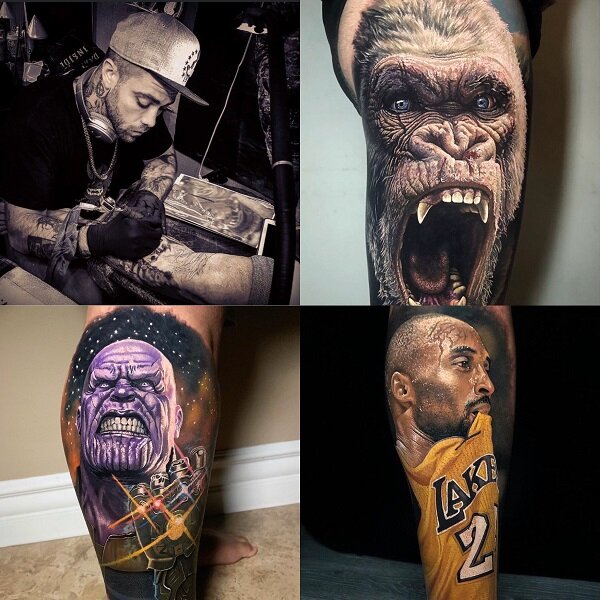
Tattoo Artist Steve Butcher

His tattoos are so realistic, they almost look like they can't be real. Renowned Tattoo Artist Steve Butcher joins us. We talk tattoo techniques, inking NBA players and how Kobe Bryant inspired him to chase his dreams. Then, John Shull spends Valentine's day getting rejected. And we countdown the Top 5 Worst Places to Get Nature's Call.

Steve Butcher Smaller.jpg

Infectious Disease Expert Dr. Steffanie Strathdee

As an Epidemiologist, Dr. Steffanie Strathdee studies the world's deadliest diseases. From the Wuhan Coronavirus and HIV, to Measles and Supebugs, we talk the microscopic dangers that could impact us all. Plus, the forgotten treatment that saved her husband's life. Then John Shull fanboys over Will Smith. And we countdown the Top 5 Breakfast Foods.

Dr. Strathdee Smaller.jpg


Freerunning with Dominic Di Tommaso

Awe-inspiring jumps and epic crashes, this is the life of World-renowned Freerunner and actor Dominic Di Tommaso. We talk freerunning techniques, avoiding injuries and the greatness of Michael Buble. Then, John Shull does something no adult should. And we countdown the Top 5 Worst Kinds of Facial Hair.

Dominic Di Tommaso Smaller.jpg

Las Vegas Sports Handicapper Dave Cokin

With the Super Bowl fast approaching we're taking a look at the gambling odds. Las Vegas Sports Handicapper Dave Cokin joins us. We talk the life of a professional gambler, the future of sports betting and the the best way to beat the odds. Then, John Shull gets carried away on social media. And we countdown the Top 5 Things We Like But Are Embarrassed to Admit.

Dave Cokin Smaller.jpg

Forensic Pathologist Dr. Judy Melinek

Death investigations. Unusual autopsies. Medical mysteries. Forensic pathologist Dr. Judy Melinek takes us inside the life of a medical examiner. We talk crime scene investigations, working in the morgue after 9/11 and her new book, First Cut. Then, John Shull settles the Pizza Rolls vs. Hot Pockets debate. And we count down the Top 5 Ways We Don't Want to Die.

IMG-0981 Smaller.jpg

Comic Book Writer Steve Orlando

Batman. Wonder Woman. Martian Manhunter. Steve Orlando is the creative force behind some of comic’s most beloved characters. What it takes to be a comic book writer, the secret to good storytelling and what’s next for Wonder Woman. Then, John Shull considers getting a male tramp stamp. And we discuss the Top 5 Comic Book Villains.

Steve Orlando Smaller.jpg